
The most impotant things to focus on are preventing water damage, ensuring fire safety, and protecting structural integrity.
Create a preventative checklist to keep major systems functional and avoid expensive emergency repairs.
💧 Moisture and Water Control
Water is a home’s primary enemy, capable of rotting wood and ruining foundations.
- Gutters and downspouts: Clean them at least twice a year to ensure water flows cleanly away from your foundation.
- Roof inspections: Check for damaged, loose, or missing shingles after large storms to stop leaks early.
- Plumbing and seals: Look under bathroom and kitchen sinks monthly for active drips or dampness.
- Foundation drainage: Ensure the exterior ground slopes away from the home structure so water cannot pool.
- Sinks and showers: Inspect and refresh cracked caulk or grout around tubs to stop water from seeping into walls.
🔥 Fire Prevention and Safety
Routine safety system checks protect lives and preserve the physical property.
- Alarms and detectors: Test smoke and carbon monoxide detectors monthly, changing batteries at least once a year.
- Dryer exhaust vents: Clean out the full vent line annually to clear highly flammable lint accumulation.
- Fire extinguishers: Inspect gauges monthly to ensure they remain fully charged and have not passed expiration dates.
- Chimneys and fireplaces: Schedule a professional inspection annually before your first winter fire to clear creosote buildup.
⚙️ Core Systems and Appliances
Keeping major mechanical systems running cleanly lowers energy bills and extends appliance life.
- HVAC air filters: Check and replace filters every 1 to 3 months to prevent system strain. If you live in a warmer climate, monthly filter replacement is a best practice.
- Water heater flushing: Drain the tank annually to clear out sediment buildup that slows heating times.
- Refrigerator coils: Vacuum dust from the coils once a year so the compressor does not overheat.
- Shut-off valves: Operate your main water shut-off and local fixture valves semi-annually to keep them from freezing up.
🐜 Structural and Exterior Defense
The exterior shell shields your home framework from natural wear and destructive pests.
- Pest control boundaries: Spray and inspect for termites, carpenter ants, and rodents that degrade wood structures.
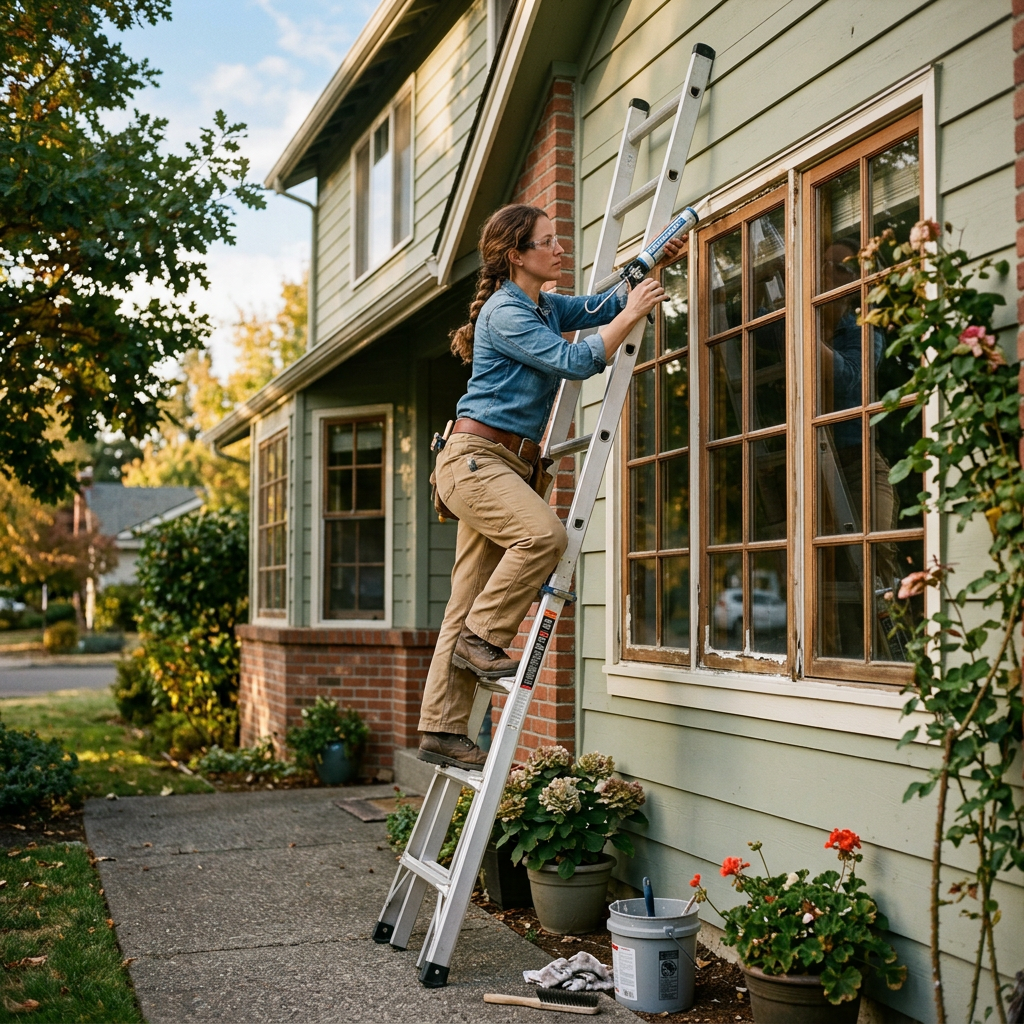
- Siding and trim: Look yearly for peeling exterior paint or gaps, sealing cracks with external-grade caulk.
- Window weather-stripping: Replace worn draft seals around exterior doors to stop energy loss and moisture entry.
- Concrete and masonry: Fill hairline cracks in walkways or driveways before winter freezes expand them.
Routine upkeep prevents depreciation and preserves 10% to 15% of a property’s potential worth compared to a neglected home with heavy deferred maintenance.
How Maintenance Protects Value:
- Slows depreciation: Regular care extends a building’s functional economic life, meaning it loses value much slower than a run-down property.
- Improves appraisal tiers: Keeping structural and mechanical systems pristine helps maintain a higher condition rating (like moving from a C4 to C3 condition grade), which aligns your home with higher-valued comparable sales.
- Speeds up sales: Move-in ready properties draw faster offers and face fewer buyer repair demands during inspections.
As they say in the medical field, An ounce of prevention is worth a pound of cure.
It’s a great day to get out the caulking gun!

 The Real Estate Blog
Leave a comment